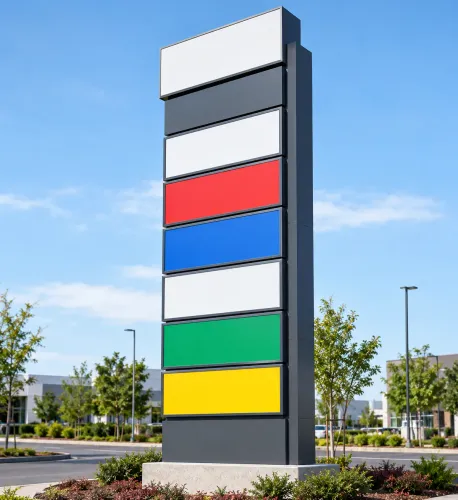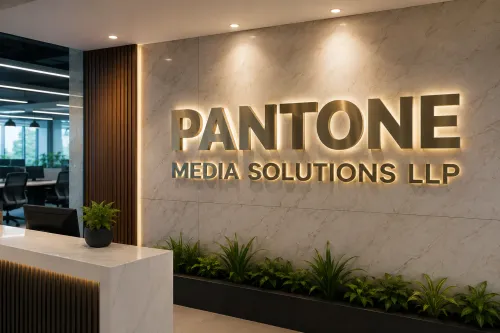



A signage board often creates the first physical interaction between a business and a potential customer. Before someone enters a shop, restaurant, office, showroom, clinic, or hotel, the signage communicates the business name, location, and often its overall character.
For businesses in Pune, where commercial areas can be crowded with competing storefronts and advertisements, signage needs to do more than simply display a name. It should be visible, readable, appropriately positioned, and consistent with the brand.
What Makes a Signage Board Effective?
An effective sign board helps people identify a business quickly. A complicated design may look impressive on a computer screen but become difficult to understand when viewed from a moving vehicle or from across the road.
Important elements include:
- Clear and readable lettering
- Suitable letter size
- Strong contrast between text and background
- Appropriate illumination where required
- Proper placement and viewing angle
- Materials suited to outdoor or indoor conditions
- Consistency with existing brand identity
These factors become particularly important for businesses located inside busy commercial complexes or along high-traffic roads.
Consider the Viewing Distance
One of the most common signage mistakes is designing exclusively for close viewing.
A board installed several metres above ground level needs different lettering proportions from a reception sign viewed from a few feet away.
Retail stores may need visibility from pedestrians as well as motorists. Corporate offices may require more understated signage designed primarily for visitors approaching the entrance.
Understanding how customers will actually see the board should therefore come before deciding its dimensions.
Material Selection Matters
Different materials perform differently depending on the installation environment.
Common signage materials can include acrylic, stainless steel, aluminium composite panels, vinyl, illuminated letters, and other fabricated solutions.
Outdoor boards must deal with sunlight, dust, rain, temperature changes, and regular exposure to the environment. Indoor signs generally experience less weather-related stress, allowing businesses to focus more heavily on appearance and interior compatibility.
Material should therefore be selected according to application rather than appearance alone.
Illumination Can Improve Night Visibility
Businesses operating after sunset may benefit from illuminated signage.
Restaurants, hotels, retail stores, hospitals, entertainment venues, and businesses on busy commercial streets frequently require signs that remain identifiable in the evening.
Lighting should be balanced carefully. Excessive brightness can reduce readability, while insufficient illumination defeats the purpose of a lit board.
LED-based solutions are commonly considered because they can provide consistent illumination while supporting different signage styles.
Signage Should Reflect the Business Environment
A premium corporate office may require clean dimensional lettering, while a roadside retail outlet might prioritize larger, highly visible signage.
Similarly, an industrial facility may require durable identification signs that remain easy to read rather than decorative elements.
Businesses across Pune and other commercial areas of Maharashtra should evaluate the installation environment, surrounding visual clutter, available façade space, and typical customer approach before finalizing a design.
Plan Before Fabrication
Before approving a signage board, businesses should review:
- Exact installation dimensions
- Viewing distance
- Day and night visibility
- Material specifications
- Electrical requirements for illuminated signage
- Mounting method
- Brand colours and typography
- Maintenance accessibility
A site assessment can help identify practical limitations that may not be obvious from artwork alone.
Pantone Media Solutions LLP works across signage and visual branding requirements where design, fabrication, printing, and installation considerations need to come together.
Ultimately, an effective signage board is not simply decorative. It functions as a permanent visibility asset that helps customers recognize the business, locate the premises, and connect the physical space with the brand they already know.