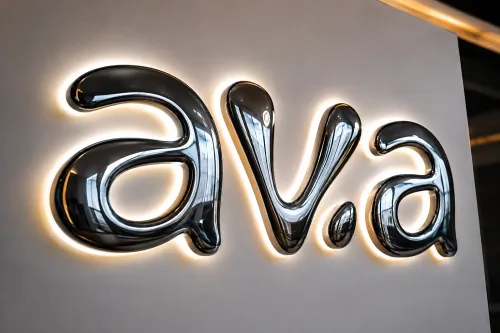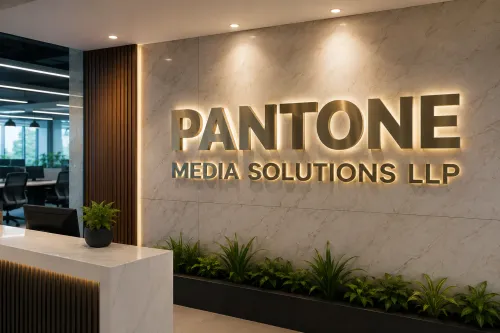

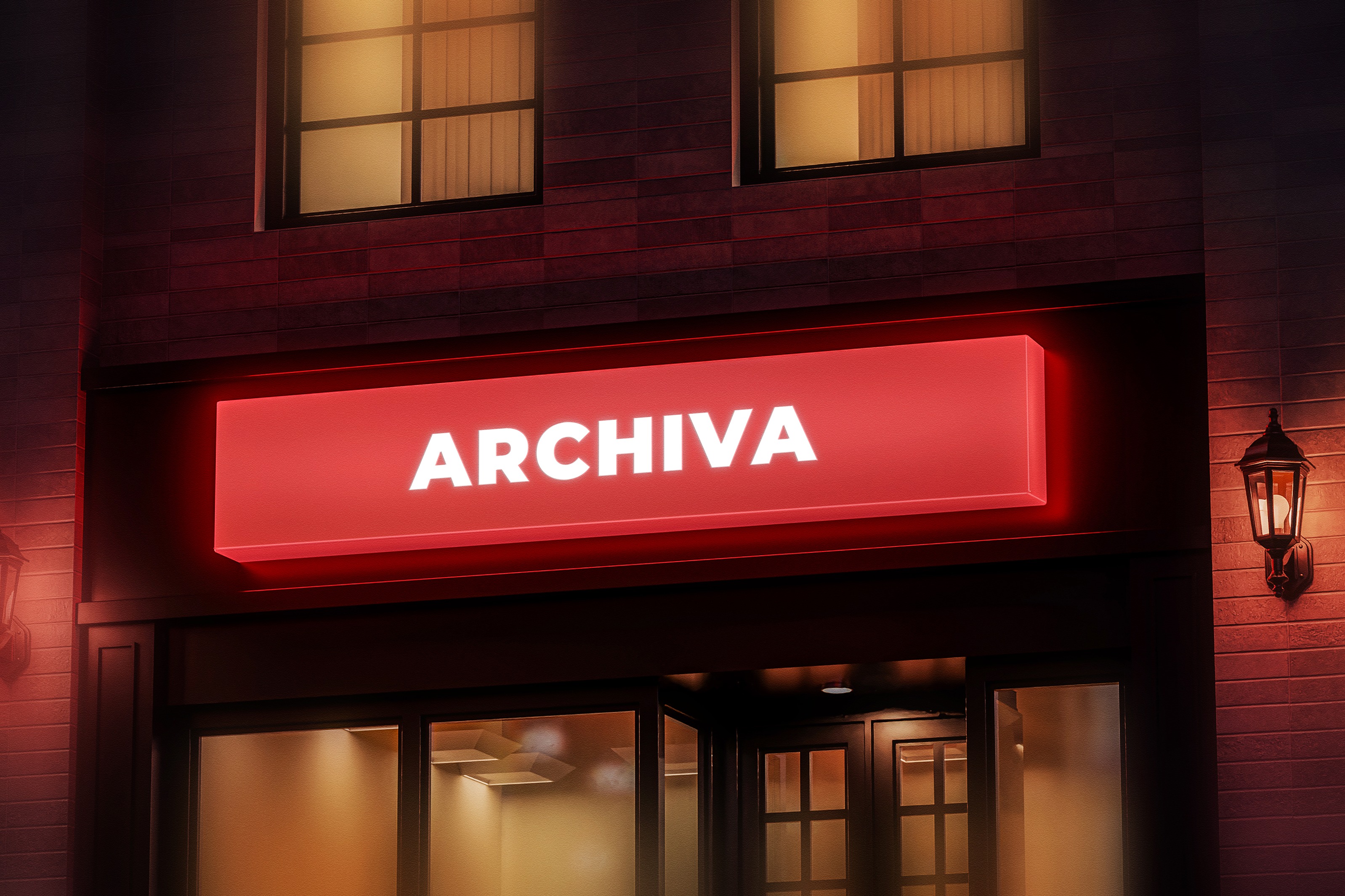
A lit sign board can make a business easier to identify after sunset, but simply adding lights to signage does not guarantee good visibility.
The board still needs suitable dimensions, readable typography, balanced illumination, durable materials, and correct positioning.
For businesses in Pune evaluating illuminated signage, a few practical checks can prevent expensive redesigns later.
Determine When Visibility Is Needed
Start with operating hours.
A corporate office that closes before evening may have limited need for high-intensity illuminated signage. Restaurants, pharmacies, hotels, hospitals, convenience stores, and late-operating retail businesses may depend much more heavily on nighttime identification.
Understanding actual visibility requirements helps determine how much emphasis illumination should receive.
Choose the Right Sign Format
Lit signage can take several forms depending on the design.
A business might use:
- Illuminated sign boxes
- LED letter signage
- Backlit letters
- Front-lit lettering
- Logo-based illuminated signs
- Combination signage
The appropriate format depends on the brand design, available space, viewing distance, and architectural conditions.
Check Readability Before Decorative Effects
A sign can have excellent illumination and still be difficult to understand.
The business name should remain easy to identify quickly.
Avoid excessive information on the main sign. Phone numbers, service lists, taglines, social handles, multiple logos, and promotional messages can compete with the primary identity.
If additional information is necessary, consider whether it belongs on a separate communication panel.
Inspect the Surrounding Light Environment
A sign installed on a relatively dark street requires different brightness considerations from one surrounded by numerous illuminated storefronts.
Commercial areas in Pune can have considerable visual competition at night. In these environments, clarity and contrast often matter more than simply increasing brightness.
A clean, distinctive design may outperform an overcrowded board even when neighbouring signs are brighter.
Ask About Material and Electrical Planning
Outdoor lit signs need both structural and electrical consideration.
Before finalizing the order, clarify:
- Sign dimensions and fabrication material
- Type of illumination
- Power supply requirements
- Wiring route
- Mounting method
- Weather exposure
- Maintenance access
- Expected installation conditions
Planning these details before production reduces last-minute modifications at the site.
Think About Long-Term Maintenance
Lighting components may eventually require inspection or replacement.
If the sign is installed several storeys above ground or in a difficult location, maintenance access can become a significant practical issue.
Businesses should understand how the sign will be opened, serviced, and reassembled.
Evaluate the Sign in Context
Do not approve signage only by viewing artwork on a screen.
Consider requesting a visualization based on actual façade dimensions where appropriate. This can help evaluate proportion, placement, and overall appearance.
Pantone Media Solutions LLP supports lit signage and related branding requirements for businesses across Pune, including commercial and customer-facing environments.
A well-planned lit sign board should work during daylight, remain clearly visible at night, fit the architecture, and communicate the business identity without unnecessary visual clutter. Those practical qualities usually matter more than adding elaborate lighting effects.